
Non-Emergency Medical Transport for Seniors: Safe Rides to Every Appointment
Growing older in America often means growing further from the medical care you need most. Specialists consolidate into urban hubs, primary care doctors retire faster than new ones replace them, and the confident driver who once navigated interstate traffic now hesitates at left turns. Non-emergency medical transport for seniors exists precisely for this gap — the space between full independence and ambulance-level care where most older adults actually live.
Bad Wolf Transportation works with seniors and their families every day to build transportation routines that keep medical care accessible without stripping away dignity or autonomy. The goal isn’t just the ride — it’s the appointment that happens because the ride showed up.
The Hidden Cost of Missed Appointments for Older Adults
Missed appointments aren’t just inconvenient — they’re expensive and dangerous. A skipped cardiology follow-up can mean an undetected arrhythmia. A canceled endocrinology visit can leave insulin dosing uncalibrated for months. Studies consistently show that transportation barriers are among the top three reasons seniors miss medical appointments, outranking cost and scheduling conflicts. The downstream cost in emergency room visits and preventable hospitalizations dwarfs the price of a reliable NEMT program.
Families often try to fill the gap themselves, but adult children juggling careers, their own medical needs, and school schedules burn out quickly. A structured transport plan — especially one coordinated with recurring treatment schedules like dialysis or physical therapy — frees the family to be family, not dispatchers.
What Senior-Focused NEMT Looks Like
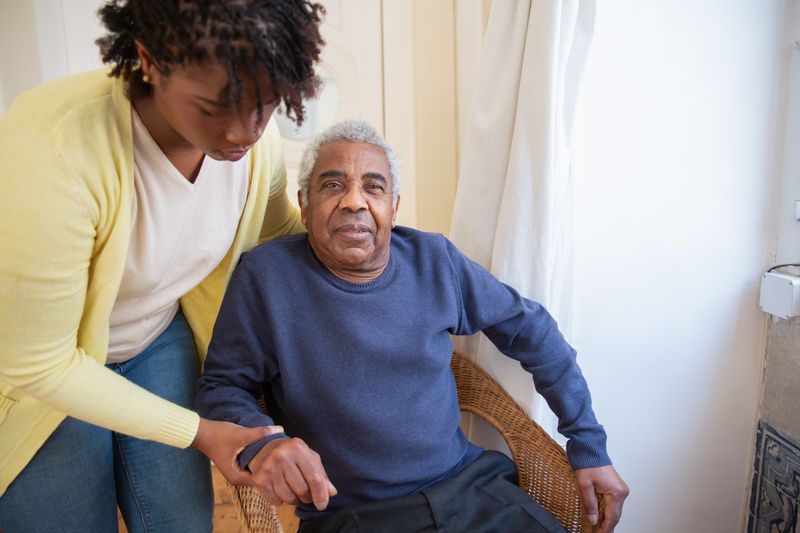
Transport built for seniors goes beyond a seatbelt and a destination. Door-through-door service means the driver walks the patient from inside their home to inside the clinic, not just curb to curb. Vehicles carry step stools, grab bars, and extra time built into the schedule for slow boarding. Drivers receive sensitivity training on dementia communication, fall prevention during transfers, and recognizing signs of acute medical distress. For patients in wheelchairs, our wheelchair transport page outlines the equipment standards that apply.
- Door-through-door assistance, not just curb-to-curb drop-off
- Drivers trained in fall prevention and cognitive sensitivity
- Flexible scheduling that accommodates appointment overruns
- Coordination with family members for real-time ride updates
- Climate-controlled vehicles for patients sensitive to heat or cold
Paying for Senior Medical Transport
Medicare does not cover routine non-emergency medical transport — a fact that surprises many families. Medicaid, however, covers NEMT in every state for eligible beneficiaries, and most seniors on both programs can access rides through their state’s Medicaid broker. Veterans enrolled in VA healthcare may qualify for the Veterans Transportation Service or beneficiary travel reimbursement, a topic we explore on our veteran transport page.
For seniors who fall into the coverage gap — above Medicaid income limits but unable to afford private transport — Area Agencies on Aging, community action programs, and faith-based organizations sometimes operate volunteer driver networks. Navigating these options is part of what we help families do; our insurance coverage guide is a good place to start.
Reliable transport turns a senior’s healthcare plan from aspiration into action. Explore the full spectrum of medical transport options available through Bad Wolf Transportation and keep every appointment on the calendar.